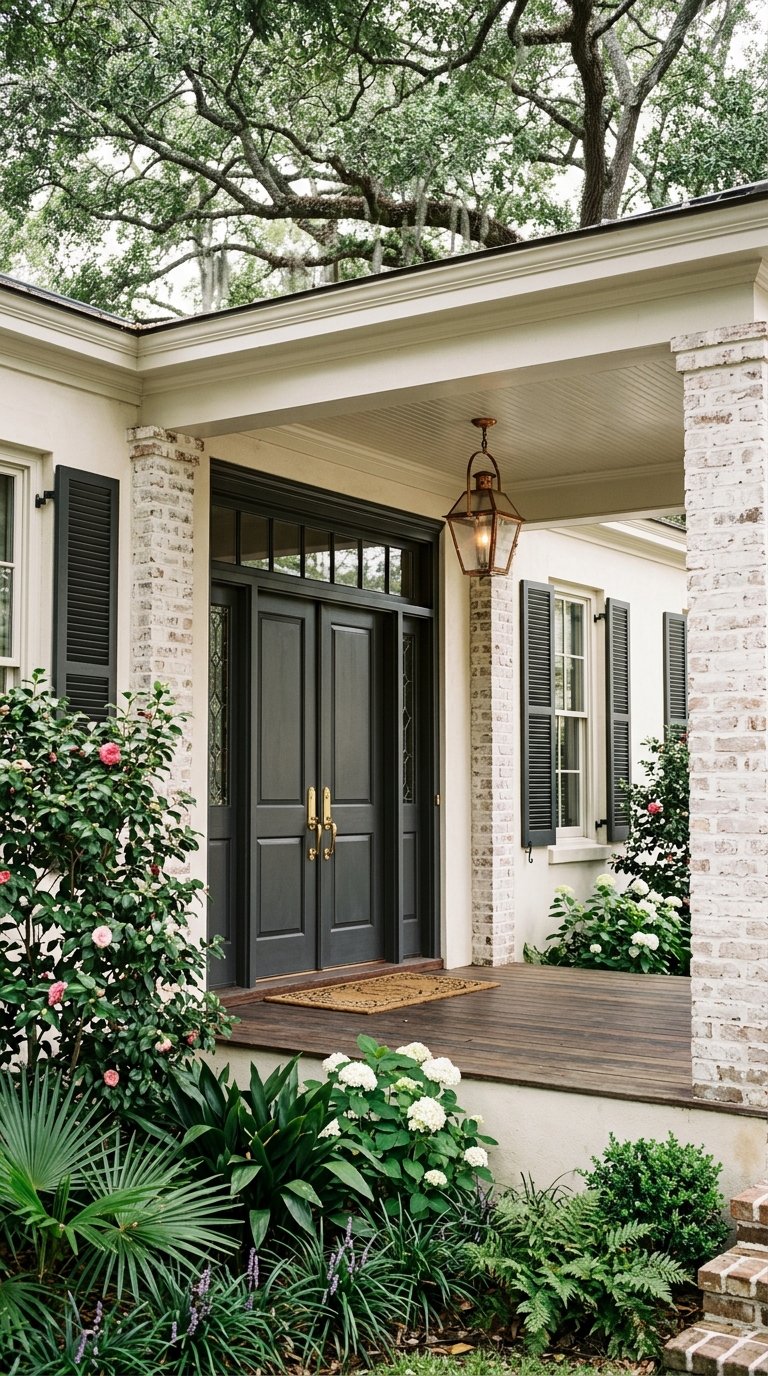
If you have ever driven through Franklin and felt like the homes were telling a story, you are not imagining it. This is one of those places where architecture shapes the feel of everyday life, from Main Street storefronts to porch-lined residential blocks near Bayou Teche. If you are thinking about buying or selling an older home here, understanding that history can help you make smarter decisions. Let’s take a closer look.
Franklin’s Historic Character
Franklin, the parish seat of St. Mary Parish, was founded in 1808 as Carlin’s Settlement and incorporated in 1820. Its historic district was listed on the National Register of Historic Places on December 29, 1982, and official city materials note that it includes nearly 420 noteworthy structures.
What makes Franklin especially interesting is the way different eras of growth still show up in the built environment today. City materials describe the district as an original mid-19th-century neighborhood beside a denser railroad town that developed after the Civil War, giving the area a layered look that still defines the city.
Main Street And Bayou Teche
Franklin’s Main Street runs parallel to Bayou Teche and serves as the city’s major thoroughfare. The city describes East Main as a boulevard with ornamental lighting, and the larger historic district is presented as a three-quarter-mile walking tour.
That setting matters when you are exploring homes in Franklin. The combination of masonry commercial buildings, mature live oaks, porches, and bayou proximity creates a streetscape that feels connected to the town’s history rather than separated from it.
Common Historic Home Styles
Franklin’s older homes span several architectural styles, many of which are identified in the city’s historic district design guidelines. If you are house hunting, recognizing these styles can help you better understand a home’s layout, exterior details, and renovation needs.
Greek Revival Homes
Greek Revival homes in Franklin generally date from about 1830 to 1870. These houses often feature symmetrical plans, gabled or hipped roofs, tall porches, and classical columns, along with transoms and sidelights around the entry.
If you love formal curb appeal and traditional Southern proportions, this style may stand out to you. Many buyers are drawn to the strong front-porch presence and the sense of scale these homes often offer.
Queen Anne And Victorian Details
Queen Anne homes, common from about 1880 to 1905, tend to be more decorative and visually complex. You may notice irregular massing, decorative shingles, wraparound porches, and in some cases towers or turrets.
Franklin also includes Folk Victorian and other vernacular house types from roughly 1870 to 1910. These often include gable-ell, pyramid-square, and shotgun forms with modest trim and full-width porches, giving buyers options that can feel historic without being as grand or elaborate.
Railroad-Era Houses
City materials describe smaller frame houses on small lots with narrow setbacks in the railroad-era sections of Franklin. These homes often include Queen Anne or Eastlake trim, which adds character to more compact footprints.
For buyers who appreciate walkable historic surroundings and lower-maintenance square footage, these houses can be especially appealing. They are part of what gives Franklin its layered neighborhood pattern and architectural variety.
Bungalow And Craftsman Homes
Bungalow and Craftsman homes in Franklin generally date from about 1910 to 1940. Key features often include low roofs, tapered porch posts, exposed rafters, and grouped windows.
These homes can appeal to buyers who want historic character with practical, approachable layouts. Their architectural details are usually simpler than earlier Victorian forms, but they still offer warmth and curb appeal.
Colonial Revival And Neo-Classical Homes
Homes in the Colonial Revival and Neo-Classical styles, common from about 1900 to 1940, typically present a more symmetrical design. Brick exteriors, columns, and prominent porticos are common features.
If you are selling this type of home, those formal architectural details can be a strong part of your marketing story. If you are buying, it is helpful to understand how those details connect to the home’s era and upkeep needs.
Historic Commercial Architecture
Franklin’s architectural story is not limited to houses. Downtown commercial blocks dating from about 1875 to 1930 help define Main Street with flat roofs, storefronts at street level, upper-story windows, and decorative cornices.
That historic commercial core contributes to the lifestyle appeal of owning property in or near Franklin’s older neighborhoods. It supports the sense that you are buying into a place with identity, not just a house on a map.
What Buyers Should Know
Buying an older home in Franklin can be exciting, but it also calls for a practical mindset. Historic homes often offer one-of-a-kind charm, but they may come with different maintenance expectations than newer construction.
The historic district design guidelines note that many buildings still retain old-growth wood windows, brick-and-wood exteriors, and stone foundations. These materials add character, but they can also influence repair choices, project costs, and renovation timelines.
Exterior Changes Are Reviewed
Franklin’s historic district is locally regulated. After adopting a historic preservation ordinance in 1983, the city created the Franklin Historic District Commission, which reviews rehabilitation, new construction, demolition, and other work affecting historic properties within the district.
For you as a buyer, that means exterior updates are not always handled the same way they would be in a non-historic area. The guidelines indicate that repair and replacement in kind may not require a Certificate of Appropriateness, but most other construction activity is reviewed.
Questions To Ask Before You Buy
When you are considering a historic home in Franklin, it helps to ask focused questions early. A little clarity up front can save time and stress later.
- Is the property located within the Franklin Historic District?
- What exterior features appear original or historically significant?
- Have prior renovations or repairs already been completed?
- What future updates are you hoping to make?
- Would those updates likely involve review by the Historic District Commission?
What Sellers Should Know
If you are preparing to sell an older home in Franklin, your home’s history can be a real asset. Architectural details, porch presence, original materials, and location near Main Street or Bayou Teche may all help tell a stronger story.
At the same time, buyers usually appreciate honesty and clarity about the condition of an older property. Thoughtful preparation, accurate positioning, and polished presentation can help your home stand out while setting realistic expectations.
Highlight Character Clearly
Historic homes tend to connect with buyers when the details are easy to notice and understand. Columns, wraparound porches, grouped windows, decorative trim, and period rooflines all help create an impression.
When a listing presents those features clearly, buyers can better appreciate what makes the home different from more standard inventory. In a place like Franklin, that local context matters.
Prepare For Buyer Questions
Buyers looking at older homes often want to know not just what is charming, but what is practical. They may ask about exterior materials, past work, and whether future changes may be subject to local review.
That is why preparation matters. A seller who is organized and informed can help a historic property feel approachable rather than intimidating.
Downtown Lifestyle Appeal
Part of Franklin’s appeal is that its historic setting is tied to daily life, not just preservation. The city describes its downtown as an active Main Street environment centered on revitalization and local identity.
Community materials highlight recurring events such as Harvest Moon Festival, Soul Food Festival, Bikers on the Bayou, Black Bear Festival, Christmas Under the Lampposts, New Year’s Eve Bash, and the Bayou to Main Marketplace with more than 40 vendors. For many buyers, that kind of event calendar adds to the appeal of living near the historic core.
Everyday Amenities In The District
The visitor directory points to downtown restaurants, specialty shops, church tours, a promenade along Bayou Teche, and lodging options. The mayor’s office also highlights the Teche Theatre for the Performing Arts, downtown lampposts modeled on the originals, and recreation on Bayou Teche such as fishing, canoeing, kayaking, and water skiing.
For buyers, those details help paint a fuller picture of what life in Franklin can feel like. For sellers, they help frame the value of location in a way that goes beyond square footage alone.
Why Local Guidance Matters
Historic homes ask different questions than newer properties. You may be weighing character against maintenance, planning updates within a regulated district, or trying to position a distinctive home for the right buyer pool.
That is where local knowledge becomes especially important. When you understand not just the property, but also Franklin’s historic framework and lifestyle appeal, you are in a much better position to move forward with confidence.
Whether you are buying a porch-front bungalow, selling a columned historic home, or simply exploring your options in Franklin, having patient, informed guidance can make the process feel much more manageable. If you are ready to talk through your next move in St. Mary Parish, schedule a free consultation with Lori Broussard.
FAQs
What makes Franklin, Louisiana historic homes unique?
- Franklin’s historic homes reflect multiple eras of development, including mid-19th-century neighborhoods and later railroad-era growth, with styles such as Greek Revival, Queen Anne, Folk Victorian, Craftsman, and Colonial Revival.
What is the Franklin Historic District in Franklin, Louisiana?
- The Franklin Historic District is a nationally recognized historic area with nearly 420 noteworthy structures, listed on the National Register of Historic Places in 1982 and locally regulated by the city.
Do exterior renovations on Franklin historic homes require approval?
- Many exterior changes within the Franklin Historic District are reviewed by the Franklin Historic District Commission, although repair and replacement in kind may not require a Certificate of Appropriateness.
What architectural styles can you find in Franklin, Louisiana?
- Common styles include Greek Revival, Gothic Revival, Folk Victorian, Queen Anne, Bungalow/Craftsman, Colonial Revival, and Neo-Classical, along with historic downtown commercial buildings.
Why do buyers consider older homes in Franklin, Louisiana?
- Buyers are often drawn to Franklin’s architectural character, porch-lined streets, Main Street setting, Bayou Teche proximity, and the lifestyle appeal of a preserved historic downtown with local events and recreation.